How Many Moving Boxes Do I Need? A Guide by House Size
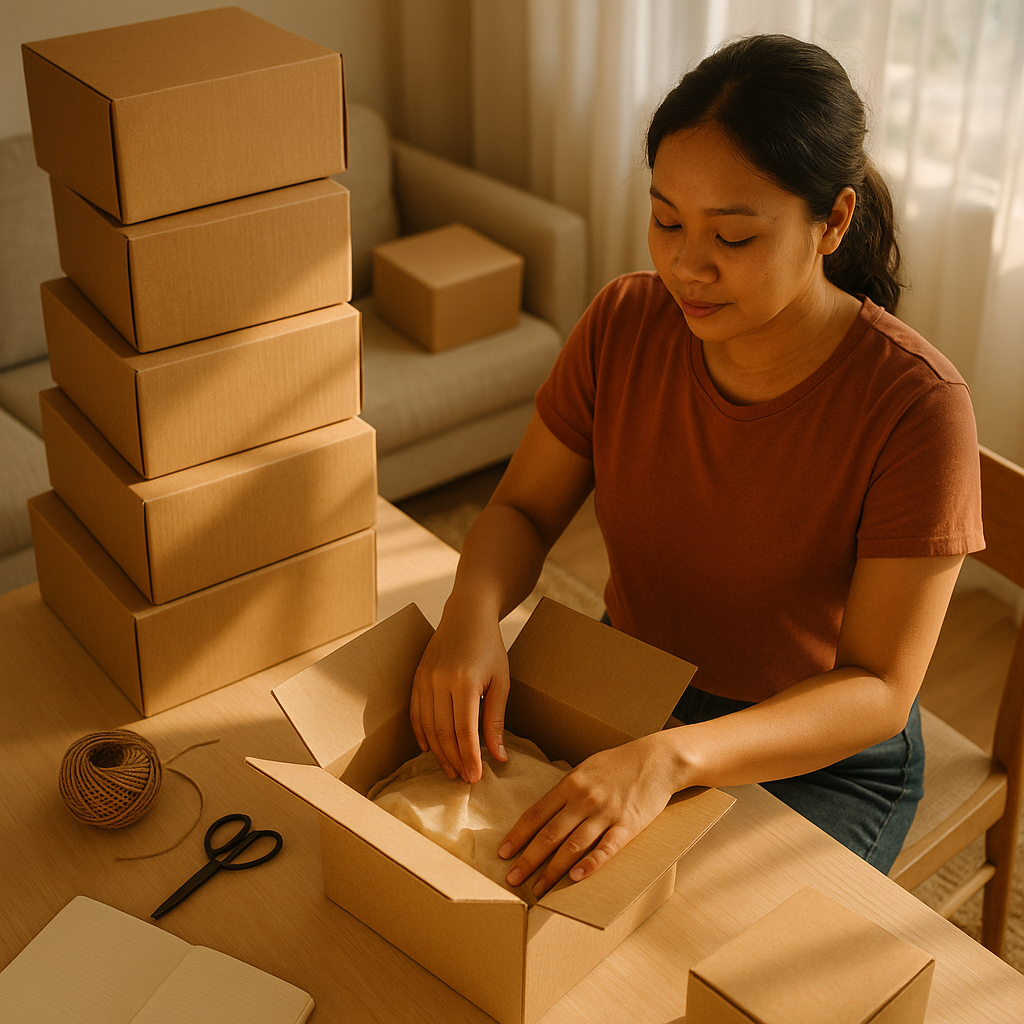
How many moving boxes do you actually need?
Most people either buy too many boxes and waste money, or run out halfway through packing and panic. A rough rule of thumb used by removal companies is around 10 boxes per room, but that figure changes significantly depending on how much you own, how long you have lived in the property, and how thoroughly you declutter before packing.
The estimates below are practical starting points. They assume an average amount of belongings for each property type. If you are a collector, have a lot of kitchen equipment, or have not had a clear-out in years, add 20 to 30 percent more boxes to your total.
How many boxes do you need for a studio or bedsit?
A studio flat typically requires between 10 and 20 boxes. The kitchen and personal items tend to take up the most space, even in a small home. A breakdown might look like this:
- Kitchen and food items: 4 to 6 boxes
- Clothes and shoes: 3 to 5 boxes
- Books, media, and paperwork: 2 to 4 boxes
- Bathroom and miscellaneous: 2 to 3 boxes
How many boxes do you need for a one-bedroom flat or house?
A one-bedroom property usually needs between 20 and 35 boxes. A second person sharing the space can push that number closer to 40. A typical split might be:
- Kitchen: 6 to 8 boxes
- Bedroom (clothes, bedding, accessories): 5 to 8 boxes
- Living room (books, décor, electronics): 4 to 6 boxes
- Bathroom and hallway: 3 to 4 boxes
- Storage cupboards: 3 to 6 boxes
How many boxes do you need for a two-bedroom home?
A two-bedroom home generally calls for 35 to 50 boxes. Families with children may need more, because children's rooms tend to accumulate a lot of smaller items that each need their own box. A rough guide:
- Kitchen: 8 to 10 boxes
- Master bedroom: 6 to 8 boxes
- Second bedroom: 5 to 8 boxes
- Living and dining room: 6 to 8 boxes
- Bathroom(s) and hallway: 4 to 5 boxes
- Garage, loft, or under-stairs storage: 5 to 10 boxes
How many boxes do you need for a three-bedroom home?
A three-bedroom house is the most common property type in the UK, and most households need between 50 and 70 boxes. Removals professionals often quote 60 as a safe average for a family of four. Here is a room-by-room estimate:
- Kitchen: 10 to 15 boxes
- Master bedroom: 8 to 10 boxes
- Second bedroom: 6 to 8 boxes
- Third bedroom: 5 to 7 boxes
- Living room: 6 to 8 boxes
- Dining room: 3 to 5 boxes
- Bathrooms and hallway: 4 to 6 boxes
- Garage, shed, or loft: 8 to 15 boxes
How many boxes do you need for a four-bedroom home or larger?
Four-bedroom homes typically require 70 to 100 boxes, and sometimes more. Each additional bedroom adds roughly 10 to 15 boxes on average. Outbuildings, large gardens with equipment, and home offices all add to the total.
Is there a quick summary table?
Yes. Here is a simple reference you can use when planning your move:
| Property size | Estimated boxes needed |
|---|---|
| Studio or bedsit | 10 to 20 |
| 1-bedroom flat or house | 20 to 35 |
| 2-bedroom home | 35 to 50 |
| 3-bedroom home | 50 to 70 |
| 4-bedroom home | 70 to 100+ |
What sizes of moving box should you use?
Not all boxes are the same, and using the right size for the right items makes packing safer and more efficient.
- Small boxes are best for heavy items like books, tinned food, and tools. A small box full of books is already heavy enough to lift safely.
- Medium boxes are the most versatile. They work well for kitchen equipment, toys, and general household items.
- Large boxes suit light but bulky items like duvets, pillows, lampshades, and towels. Avoid putting heavy items in large boxes.
- Wardrobe boxes (tall boxes with a hanging rail) keep clothes on their hangers and reduce ironing after the move.
How can you reduce the number of boxes you need?
Decluttering before you pack is the single most effective way to cut your box count. The GOV.UK waste recycling locator can help you find your nearest recycling centre or charity drop-off point for items you no longer need.
A few other practical steps:
- Use suitcases, laundry baskets, and reusable bags for soft items like bedding and clothes.
- Keep drawers in furniture intact where possible, as removal teams can often carry lightweight dressers with the contents inside.
- Wrap fragile items in clothes or towels rather than packing paper to save space and reduce the number of padding materials you need.
Should you buy more boxes than you think you need?
It is almost always better to have a small surplus than to run out. Running short of boxes on moving day is stressful and can delay the whole process. Buying a few extra boxes and returning or recycling the unused ones is a much easier problem to solve than scrambling for supplies mid-pack.