How Many Boxes Do I Need to Move House? A Room-by-Room Guide for the UK
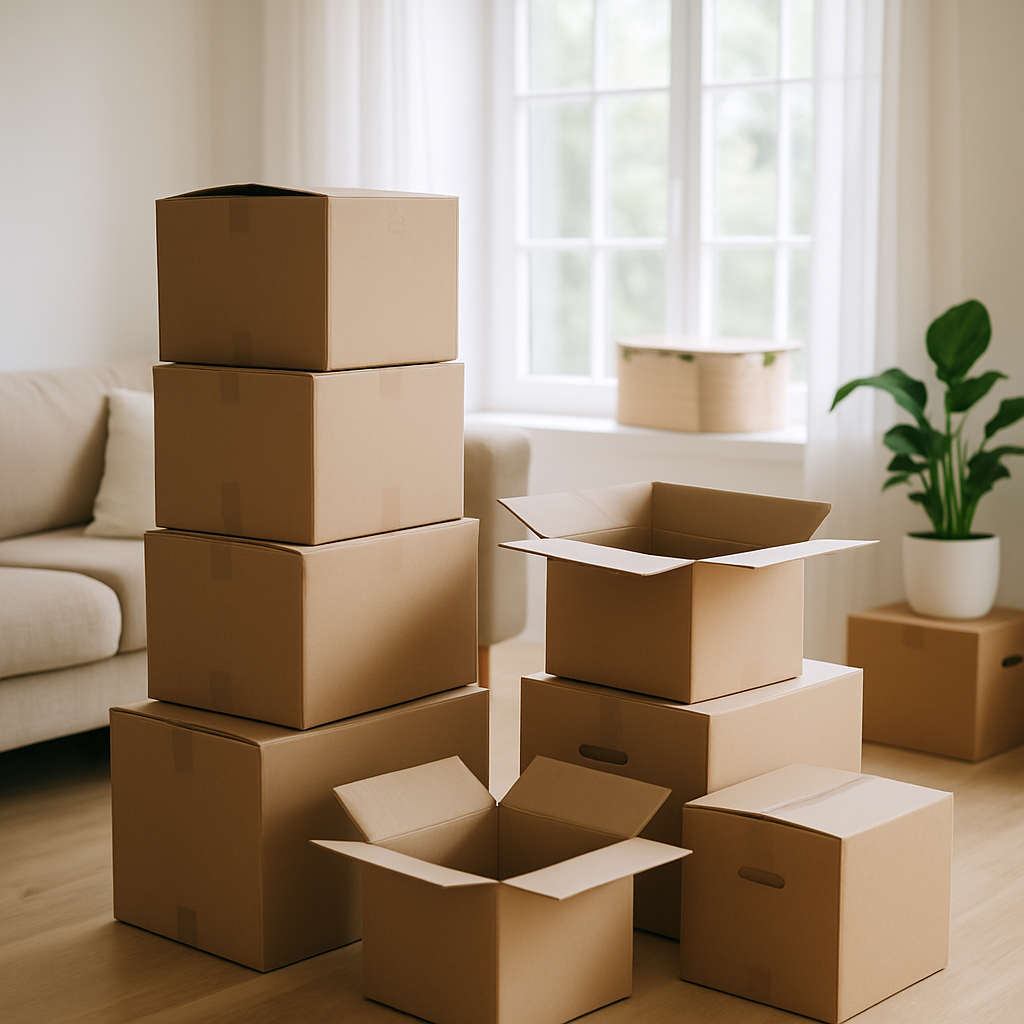
How many boxes do you actually need to move house?
Most people need between 10 and 60 moving boxes, depending on the size of their home and how much they own. A single room in a shared house might need as few as 10 to 15 boxes. A four-bedroom family home with a full loft and garage can easily need 60 or more.
The honest answer is that no two moves are identical. The estimates below are realistic starting points, not guarantees. Use them as a baseline, then adjust for your own situation.
What affects how many boxes you need?
Several factors push the number up or down before you pack a single thing.
- How long you have lived there. The longer you stay somewhere, the more you accumulate. A decade in a three-bedroom house usually means far more boxes than two years in the same space.
- Whether you declutter first. Sorting through your belongings before you pack is the single most effective way to reduce box count. Charity shops, online marketplaces, and council bulky waste collections are all useful here.
- Storage spaces. Attics, garages, sheds, and understairs cupboards add significantly to the total. Many people underestimate these areas badly.
- Box sizes. Mixing small, medium, and large boxes matters. Heavy items such as books and crockery go in small boxes. Bulky but lighter items such as bedding and cushions go in large ones. Using the wrong size makes boxes either too heavy to lift safely or wastefully underfilled.
How many boxes does each room typically need?
These are broad estimates based on an average amount of belongings per room. Adjust up if you are a collector or have lived somewhere a long time, and down if you have already decluttered heavily.
| Room | Suggested box range | Notes |
|---|---|---|
| Kitchen | 8 to 15 | Crockery, pots, appliances, and pantry items add up fast. Use small boxes for heavy items. |
| Living room | 5 to 10 | Books, ornaments, and media collections are the main contributors. |
| Master bedroom | 5 to 10 | Clothes, shoes, and bedside items. Wardrobe boxes can replace several standard ones for hanging clothes. |
| Additional bedroom (per room) | 3 to 8 | Children's rooms with toys can exceed this range easily. |
| Bathroom | 2 to 4 | Mostly small items, but toiletries and medicines need careful packing to avoid leaks. |
| Home office | 3 to 8 | Files, books, and equipment make this room deceptively heavy. |
| Garage or shed | 5 to 15 | Highly variable. Tools, sports equipment, and garden supplies are often the forgotten bulk of a move. |
| Loft or attic | 5 to 20 | The most underestimated space in any home. Go up and look before you estimate. |
How many boxes do I need by home size?
If you want a quick top-level figure by property type, these ranges are a sensible starting point for an average UK household.
| Property type | Estimated boxes needed |
|---|---|
| Studio or single room | 10 to 15 |
| One-bedroom flat | 15 to 25 |
| Two-bedroom flat or house | 25 to 40 |
| Three-bedroom house | 35 to 50 |
| Four-bedroom house | 50 to 70+ |
Should I buy more boxes than I think I need?
Yes, ordering a few extra is usually the right call. Running out of boxes mid-pack is a common and frustrating problem. Having five or ten spare costs relatively little, and unused boxes can often be returned, resold, or recycled.
A good rule of thumb is to add around 10 to 15 per cent on top of your estimate as a buffer. So if you calculate you need 40 boxes, order 44 to 46.
What box sizes should I order?
Using the right size for the right contents protects your belongings and makes the move physically safer.
- Small boxes are best for books, tools, tins, crockery, and anything dense. A small box of books is already heavy enough.
- Medium boxes suit most everyday household items: kitchenware, toys, clothing, and general clutter.
- Large boxes work well for light but bulky things: duvets, pillows, lampshades, and coats.
- Wardrobe boxes have a hanging rail built in, which keeps clothes on hangers and saves refolding everything.
- Dish packs have reinforced walls and are worth considering if you have a lot of fragile crockery.
How can I reduce the number of boxes I need?
Decluttering before you pack is the most practical way to cut your box count and your removal costs.
- Go room by room and be honest about what you actually use.
- Donate to local charity shops or arrange a collection via your council's bulky waste service. Many UK councils offer this; check your local authority's website for details.
- Sell items on platforms such as Facebook Marketplace or eBay before moving day.
- Use what you already have. Suitcases, laundry baskets, and storage bins all carry things without needing an extra box.
- Wrap fragile items in clothing or towels rather than buying extra bubble wrap. This fills soft items into boxes more efficiently too.
When should I start collecting or ordering boxes?
Start at least four to six weeks before your moving date. This gives you time to declutter, pack non-essential rooms early, and reorder if you misjudge the quantity. Leaving it to the last week adds unnecessary stress to an already busy time.
Packing one room at a time, starting with the spaces you use least, keeps your home liveable while the process is underway.